
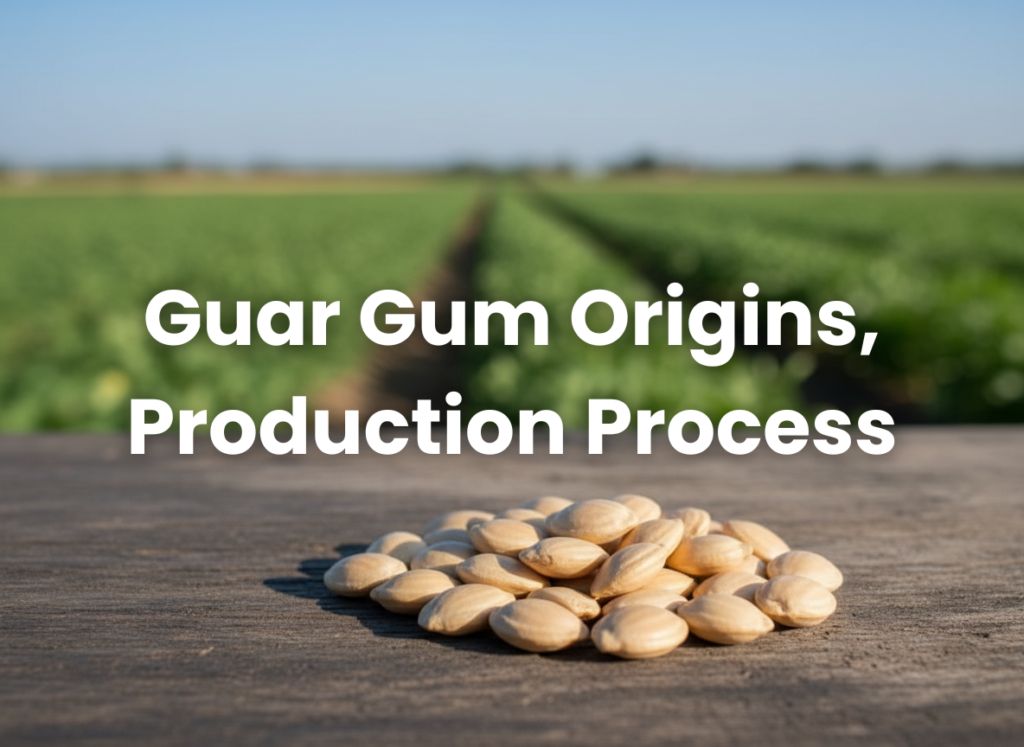
Guar gum is a versatile natural substance extracted from the guar seed, which is primarily cultivated from the guara plant. Known for its thickening, stabilizing, and emulsifying properties, guar gum has become a crucial ingredient in multiple industries, ranging from food production to pharmaceuticals and oil drilling. Its rise in global demand highlights the importance of understanding its origins, production process, and applications.
The gum is derived from the endosperm of the guar seed, which contains high amounts of guar fiber. This fiber-rich component contributes to its health benefits, including improved digestion and potential cholesterol-lowering effects. Cultivation of the guara plant occurs mostly in arid and semi-arid regions, where it thrives with minimal water and care, making it a sustainable crop choice.
Guar gum has found widespread usage due to its unique characteristics. It dissolves easily in cold water, forms a viscous solution at low concentrations, and is non-toxic. These properties make it invaluable in food, textile, paper, and oil industries. Furthermore, ongoing research into its health benefits is increasing its popularity in dietary supplements and functional foods.
This article explores the complete journey of guar gum from its historical cultivation and natural origins to modern production techniques and varied applications. It will also address common questions about guar fiber, the guara plant, and the role of guar gum in different sectors. By the end, you will have a comprehensive understanding of why the humble guar seed has become a global industrial staple.
Historical Background and Origins of Guar Gum
The origins of guar gum trace back thousands of years to South Asia, particularly in regions now known as India and Pakistan, where the guara plant was traditionally cultivated. Early agricultural communities recognized the guar seed as a valuable source of nutrition and medicinal properties. The seeds were often ground into flour, providing a natural source of guar fiber to enhance dietary intake.
Historically, guar gum was used in local cuisines to thicken dishes like curries and sweets. The indigenous knowledge of its stabilizing properties also extended to non-food applications, including textile printing and leather processing. Ancient texts document its use in Ayurvedic medicine for digestive health, which aligns with modern findings on the benefits of guar fiber.
With the industrial revolution and the global demand for food additives, guar gum moved beyond traditional uses. Scientists and food engineers discovered its potential as a natural thickener, emulsifier, and stabilizer. Today, the guara plant is cultivated commercially across India, Pakistan, and the United States, with India accounting for nearly 80% of global production.
The cultivation process begins with planting the seeds in well-drained soils, where the guara plant requires minimal maintenance. Its resilience to drought and harsh climates makes it economically viable, particularly for small-scale farmers. Moreover, the guar seed has a long shelf life, ensuring that it remains a sustainable source for industrial extraction of guar gum.
In conclusion, the historical roots of guar gum demonstrate a perfect blend of traditional knowledge and modern industrial application. The natural guar fiber in the seeds continues to make it a sought-after ingredient in global markets, reflecting its enduring importance from ancient to contemporary times.
Botanical Characteristics of the Guara Plant
Understanding the guara plant is crucial for appreciating the source of guar gum. Botanically known as Cyamopsis tetragonoloba, the plant belongs to the legume family. It is a hardy, drought-tolerant crop that thrives in arid climates. Typically, the plant reaches a height of 60–120 cm, with trifoliate leaves and clusters of small green flowers that eventually produce pods containing the guar seed.
The guar seed is rich in polysaccharides, which form the basis of guar gum. These seeds are usually small, hard, and kidney-shaped. Within each seed, the endosperm contains the viscous, water-soluble component, while the germ and husk contribute to the overall fiber content. This natural guar fiber is a key factor in the gum’s ability to thicken and stabilize liquids.
Cultivation of the guara plant requires sandy-loam soil with good drainage. It is often sown during the monsoon season to take advantage of rainfall, reducing the need for irrigation. The plant matures within 90–100 days, and its pods are harvested manually or mechanically. After harvesting, seeds are separated from pods and dried to reduce moisture content.
The resilience of the guara plant makes it an eco-friendly choice for farmers. Its ability to fix nitrogen in the soil also enriches soil fertility, making it compatible with sustainable farming practices. Additionally, the natural guar fiber found in the seeds supports both industrial and nutritional uses, reinforcing the plant’s dual importance.
Processing of Guar Gum from Seeds
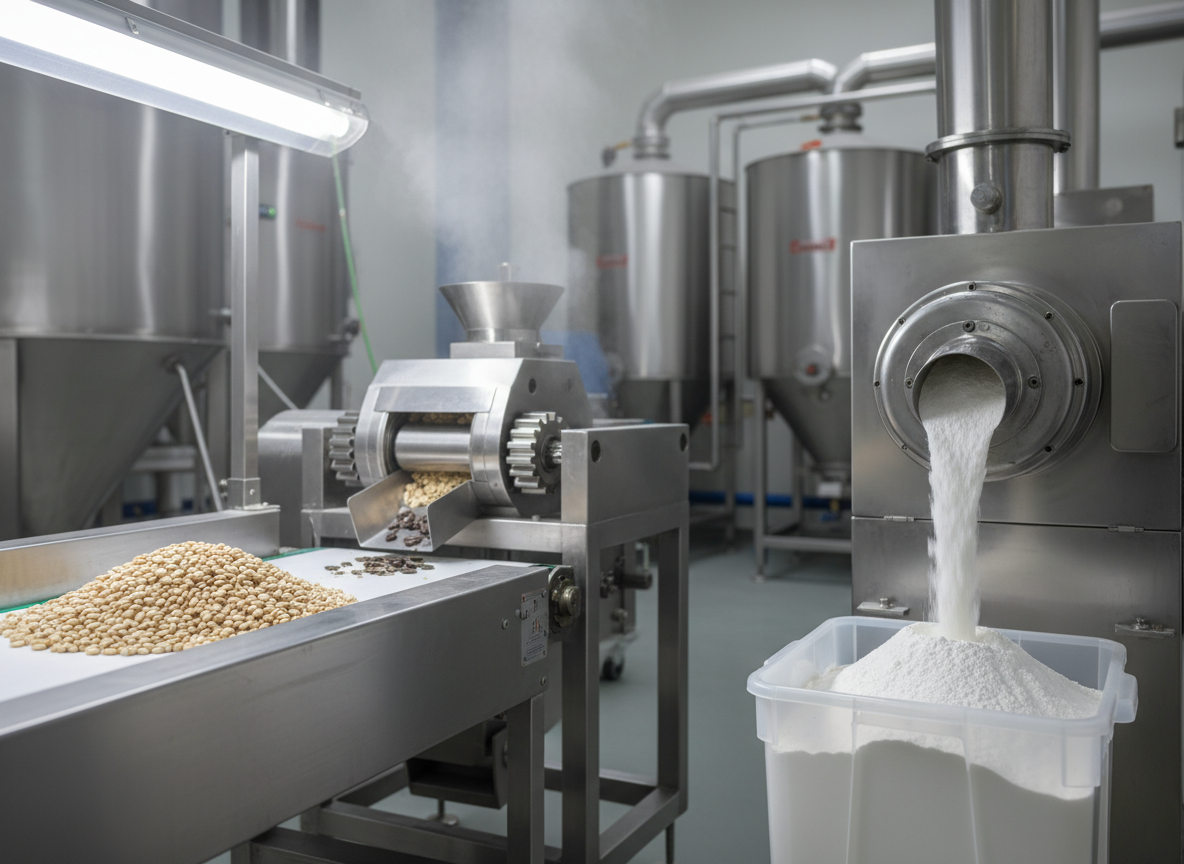
Once harvested, the guar seed undergoes a meticulous extraction process to produce guar gum. The first step is cleaning, where seeds are freed from dust, stones, and other impurities. Following cleaning, seeds are dehusked to separate the outer coating from the endosperm. The endosperm contains the valuable polysaccharides that form guar gum, while the husk is often used in animal feed.
The extracted endosperm is then ground into a fine powder, which is commonly referred to as guar gum. This powder is highly soluble in cold water, forming a viscous solution even at low concentrations. Industrial processing may include further purification and drying to produce guar gum suitable for specific applications, such as food-grade, pharmaceutical-grade, or industrial-grade gum.
Throughout the process, the natural guar fiber content is preserved, maintaining its health benefits when used in dietary products. Modern processing also ensures minimal contamination and high consistency in viscosity, which is crucial for industrial applications like drilling muds and food stabilizers.
Additionally, advanced processing techniques can modify the gum to improve solubility or performance under extreme conditions. For example, hydroxypropyl guar is a chemically modified form used in enhanced oil recovery and cosmetics. This flexibility of guar gum makes the guara plant a valuable crop not just for traditional uses but also for high-tech industrial applications.
Nutritional Properties and Health Benefits
Guar gum derived from the guar seed is not only an industrial ingredient but also a dietary supplement rich in guar fiber. This fiber is water-soluble, meaning it absorbs water to form a gel-like substance in the digestive tract. This property helps slow digestion, regulate blood sugar levels, and promote satiety, making it beneficial for weight management.
The guar fiber also contributes to lowering cholesterol by binding to bile acids and promoting their excretion. Regular consumption can improve digestive health and prevent constipation. In addition, the prebiotic nature of guar fiber supports the growth of beneficial gut bacteria, enhancing overall gut health.
In the context of functional foods, guar gum is widely used to fortify bakery items, dairy products, and beverages. It enhances texture, stabilizes emulsions, and provides a natural thickening effect without adding extra calories. The gum’s non-toxic and hypoallergenic nature makes it suitable for infants, adults, and individuals with specific dietary needs.
Furthermore, research suggests potential therapeutic applications, such as aiding in diabetes management and supporting heart health. As a natural source of guar fiber, it offers an eco-friendly alternative to synthetic additives, reinforcing the value of the guara plant in both nutrition and sustainable agriculture.
Industrial Applications of Guar Gum
The versatility of guar gum extends far beyond food and nutrition. Its industrial applications are diverse, leveraging the natural guar fiber in the guar seed. In the oil and gas sector, guar gum is a primary component in hydraulic fracturing fluids, where it acts as a thickening agent to carry proppants into fractures and improve oil recovery.
In the textile industry, guar gum is used as a sizing agent, improving yarn strength and fabric texture during weaving. Paper and cardboard manufacturing benefit from guar gum’s stabilizing and binding properties, enhancing product quality and reducing raw material wastage.
Other applications include pharmaceuticals, where guar gum functions as a controlled-release agent, and cosmetics, where it is used as a natural thickener in lotions and creams. Its water-soluble properties make it an ideal eco-friendly solution across multiple industries, demonstrating how the guara plant contributes to sustainable industrial practices.
Environmental and Economic Importance
The cultivation of the guara plant has significant environmental and economic benefits. Environmentally, it requires minimal water and fertilizer, making it a sustainable crop for arid regions. Its nitrogen-fixing ability improves soil fertility, allowing it to be intercropped with other plants.
Economically, the guar seed and its derivative, guar gum, support livelihoods for millions of farmers, especially in India and Pakistan. The global demand for guar gum has created export opportunities, stabilizing rural economies and promoting agro-industrial growth. Additionally, the byproducts of processing, such as husk and germ, are used in animal feed and organic fertilizers, ensuring minimal waste.
Sustainably produced guar gum contributes to green industries by replacing synthetic thickeners and stabilizers with a natural alternative. The combined benefits of environmental sustainability and economic viability make the guara plant a crucial crop for both local communities and global markets.
FAQs About Guar Gum
What is guar gum made from?
Guar gum is made from the endosperm of the guar seed, which is rich in polysaccharides and guar fiber.
What are the main uses of guar gum?
Guar gum is used in food, pharmaceuticals, oil drilling, textiles, and cosmetics for thickening, stabilizing, and emulsifying.
How does guar fiber benefit health?
Guar fiber helps regulate digestion, control blood sugar, lower cholesterol, and support gut health.
Where is the guara plant grown?
The guara plant is primarily cultivated in India, Pakistan, and some parts of the United States.
Is guar gum safe to consume?
Yes, guar gum is non-toxic, hypoallergenic, and safe for use in food and dietary supplements.
Can guar gum be used in industrial applications?
Yes, it is widely used in oil drilling, textile sizing, paper manufacturing, and cosmetics.
How is guar gum processed from seeds?
Seeds are cleaned, dehusked, and the endosperm is ground into a fine powder to produce guar gum.
Conclusion
Guar gum, derived from the guar seed, is a natural, versatile, and sustainable product with broad applications. Its extraction from the guara plant preserves valuable guar fiber, supporting both health and industrial functions. From traditional culinary uses to modern oil recovery and pharmaceuticals, guar gum continues to demonstrate its importance globally. By understanding its origins, production, and applications, industries and consumers alike can appreciate the value of this remarkable natural gum.
Contact Us
For inquiries about our professional guar gum manufacturing or to learn more about our high-quality guar seed, guar fiber, and guara plant products, please reach out to us. Our team at Kohenoor International is ready to assist you with orders, technical support, or partnership opportunities.
WhatsApp & Call: +92 310 4929292
Telegram: +92 334 2634411
WeChat ID: usmanhayat
Email: export@kohenoorint.com
Head office: Kohenoor International, 1/2 1336 Old Subzi Market, Hyderabad 71000, Sindh, Pakistan — exporting since 1957
Explore Our Next Topic
Expand your knowledge on guar-based industrial solutions by exploring our next topic:
The Difference in Guar Seed Quality Starts with the Supplier You Choose
This article provides detailed insights into Kohenoorint.com Trusted Guar Fiber Supplier, applications in food, oil, and industrial sectors, and the strategic initiatives driving premium product quality.
Guar planting seed KN17: purity 99% min, germination 85% min, new crop, origin Pakistan, 25 kg bags. Wholesale export only.
